




What is the difference between a single - lane and multi - lane hydraulic road blocker?
 Dec 19, 2025|
 Hey there! As a supplier of hydraulic road blockers, I often get asked about the difference between single-lane and multi-lane hydraulic road blockers. Well, let's dive right in and break it down.
Structure and Design
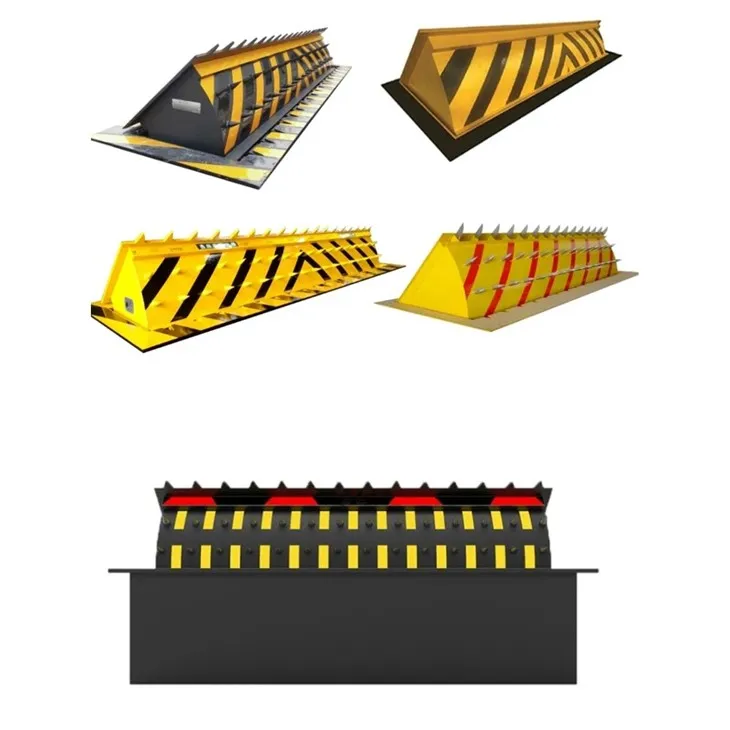
First off, let's talk about the structure. A single-lane hydraulic road blocker is, as the name suggests, designed to block a single lane of traffic. It's a standalone unit that can be installed relatively easily in areas where you only need to control access to one lane. These blockers are usually more compact and can be a great choice for smaller entrances or areas with limited space.
On the other hand, multi-lane hydraulic road blockers are built to block multiple lanes simultaneously. They are larger and more complex in design. Instead of just one unit, they consist of multiple sections that work together. This means they need more space for installation and a more robust foundation to support their weight and the force exerted during operation.
Functionality
When it comes to functionality, both types of road blockers serve the primary purpose of stopping unauthorized vehicles. But there are some differences.
Single-lane road blockers are more focused on individual lane control. They are ideal for places like private driveways, small business entrances, or areas where you only need to manage one stream of traffic. They can be quickly deployed and retracted, allowing for smooth access for authorized vehicles.
Multi-lane road blockers, however, are used in high-traffic areas such as government buildings, military installations, and large commercial complexes. They can handle a much larger volume of traffic and provide a more comprehensive security solution. For example, if there's a sudden threat, a multi-lane blocker can quickly close off several lanes at once, preventing any unauthorized entry.
Installation and Maintenance
Installation of a single-lane hydraulic road blocker is generally quicker and less complicated. Since it's a single unit, it doesn't require as much groundwork or coordination. You can usually get it up and running in a relatively short time, which is great if you're on a tight schedule.
Maintenance is also relatively straightforward. There are fewer components to worry about, and it's easier to access and service the parts. This means lower maintenance costs and less downtime.
Multi-lane road blockers, on the other hand, require a more extensive installation process. You need to dig a larger trench, pour a stronger foundation, and connect multiple units together. This takes more time and expertise. Maintenance is also more involved. With more components and a larger system, there's a higher chance of something going wrong. But don't worry, with regular maintenance and proper care, these blockers can last for a long time.
Cost
Cost is always an important factor. Single-lane hydraulic road blockers are generally more affordable. They have a lower upfront cost because they are smaller and require less material. The installation and maintenance costs are also lower, making them a budget-friendly option for many customers.
Multi-lane road blockers, however, come with a higher price tag. The larger size, more complex design, and extensive installation process all contribute to the increased cost. But when you consider the enhanced security and the ability to handle high-traffic areas, the investment can be well worth it.
Applications
Single-lane road blockers are commonly used in a variety of settings. For example, at a small office building, a single-lane blocker can be installed at the entrance to control access for employees and visitors. It can also be used at a residential community to prevent unauthorized vehicles from entering.
Multi-lane road blockers are typically found in high-security locations. Government facilities need to protect their premises from potential threats, and a multi-lane blocker can provide a strong line of defense. Military bases also rely on these blockers to secure their perimeters and prevent unauthorized entry. Large shopping malls and airports use multi-lane blockers to manage traffic flow and ensure the safety of their customers and employees.
Safety Features
Both single-lane and multi-lane hydraulic road blockers are equipped with safety features to protect both the users and the vehicles. They usually have sensors that can detect the presence of a vehicle and prevent the blocker from closing on top of it. This helps to avoid any damage to the vehicle and ensures the safety of the driver.
In addition, they are designed to be durable and reliable. They can withstand the impact of a vehicle trying to force its way through, providing a high level of security.

Conclusion
So, in conclusion, the main differences between single-lane and multi-lane hydraulic road blockers lie in their structure, functionality, installation, maintenance, cost, applications, and safety features. Single-lane blockers are more suitable for smaller areas and lower traffic volumes, while multi-lane blockers are designed for high-security and high-traffic locations.
If you're in the market for a hydraulic road blocker, it's important to consider your specific needs and requirements. Whether you need a single-lane blocker for a small business or a multi-lane blocker for a large government facility, we've got you covered.
We offer a wide range of Vehicle Road Blocker, Hostile Vehicle Barriers, and Heavy Duty Road Barriers to meet your security needs. Our products are of the highest quality and are backed by our experienced team of professionals.
If you're interested in learning more or discussing your specific requirements, don't hesitate to reach out. We're here to help you find the perfect solution for your security needs. Let's work together to keep your premises safe and secure.
References
- Industry reports on hydraulic road blockers
- Manufacturer's specifications and documentation